Quick summary:
- Most residential septic tanks need cleaning and pumping every 3 to 5 years, depending on tank size and household use.
- Kent homeowners with private septic systems are responsible for scheduling inspections and pump-outs before signs of backup appear.
- Working with a licensed local provider familiar with King County requirements helps avoid costly drain field damage.
Septic tank cleaning in Kent WA removes accumulated sludge and scum from a home’s septic tank before it can overwhelm the drain field or cause a backup. Homeowners who stay on a consistent cleaning schedule typically avoid the most expensive septic repairs, since most system failures trace back to neglected maintenance rather than equipment defects.
Kent sits on a mix of older neighborhoods and newer developments still relying on private septic systems rather than municipal sewer lines. For these properties, septic tank cleaning in Kent WA is not optional upkeep, it is the primary defense against sewage backups, yard flooding, and drain field replacement, which can be one of the costliest home repairs a property owner faces.
Founded in 1950, Lee’s Sanitation Services has served South King and Pierce County households for decades, and the company’s Kent service page describes offering comprehensive septic pumping, septic installation, septic tank cleaning drain field repair, and side sewer services in Kent, Washington.
How Often Should a Septic Tank Be Cleaned
Cleaning frequency depends on tank size, household size, and daily water use. According to the EPA’s guidance on septic system care, the average household septic system should be inspected at least every three years by a septic service professional, and household septic tanks are typically pumped every three to five years.
Several factors shorten or extend that interval:
- Household size – more residents generate more wastewater and solids.
- Garbage disposal use – disposals add solids that fill a tank faster.
- Tank capacity – smaller tanks require more frequent service.
- Water-use habits – high-volume laundry or long showers speed up sludge buildup.
King County’s on-site sewage program also requires closer attention for certain system types. Per King County’s inspection guidance, conventional gravity systems need to be inspected every 3 years, while all other types of septic systems like pressure distribution, mound, sand filter, ATUs, and subsurface drip systems need to be inspected every 6 months. Homeowners in Kent with alternative systems should treat inspections as non-negotiable rather than optional.
Warning Signs Kent Homeowners Should Not Ignore
A septic system rarely fails without warning. Watch for these indicators between scheduled cleanings:
1. Slow drains throughout the house, not just one fixture.
2. Gurgling sounds from toilets or sinks.
3. Standing water or unusually green, spongy grass over the drain field.
4. Sewage odor near the tank lid or drain field.
5. Sewage backing up into tubs or floor drains.
Any of these signs warrants a prompt inspection rather than waiting for the next scheduled pump-out.
What Professional Septic Tank Cleaning Involves
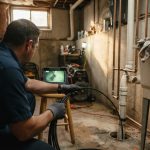
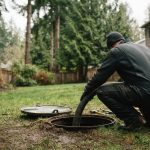
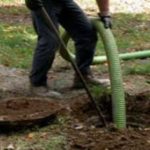
A thorough cleaning goes beyond simply emptying the tank. Technicians typically:
|
Step |
Purpose |
|
Locate and open access lids |
Reach the tank without unnecessary excavation |
|
Measure sludge and scum layers |
Confirm the tank actually needs pumping |
|
Pump and remove solids |
Clear accumulated waste from the tank |
|
Inspect baffles and outlet filter |
Check for damage or blockages |
|
Note drain field condition |
Flag early signs of saturation or failure |
This process mirrors the review steps outlined in EPA guidance, which describes opening and inspecting all tanks, evaluating sludge and scum levels, and determining the need to pump as part of a standard system checkup.
Choosing a Septic Service Provider in Kent
Not every contractor offers the same scope of work or local knowledge. Kent homeowners should confirm a provider is licensed to work in King County, carries liability coverage, and can document pumping and disposal records if the home is ever sold.
Local experience matters, since providers familiar with Kent’s soil conditions and permitting process can flag issues before they become expensive. Lee’s Sanitation Services describes serving Kent alongside Auburn, Bonney Lake, Federal Way, Renton, and many nearby cities with reliable septic and sewer solutions backed by decades of experience, giving homeowners a reference point for local familiarity when comparing providers.
Frequently Asked Questions
How do I know if my septic tank needs cleaning now instead of waiting for my scheduled service? Slow drains, gurgling pipes, sewage odor, or wet patches over the drain field are signs the tank may already be full. Schedule an inspection promptly rather than waiting for the standard 3 to 5 year interval.
Can I clean a septic tank myself? No. Septic tanks contain hazardous gases and require specialized pumping equipment and proper waste disposal, which is why King County requires certified professionals for inspections and maintenance work.
Does septic tank cleaning differ from septic pumping? Pumping typically removes liquid and settled solids, while a full cleaning may also include inspecting baffles, filters, and tank condition. Many providers perform both together during a single service visit.
How does Kent’s climate affect septic maintenance? Heavy seasonal rainfall can saturate drain fields and make failing systems more noticeable, so homeowners should avoid skipping scheduled cleanings, particularly before the wet season.
Keeping a septic system on a predictable cleaning schedule protects both a home’s plumbing and its property value. Kent homeowners who document inspections, respond quickly to warning signs, and work with an experienced local provider reduce their risk of the drain field failures that lead to the most expensive repairs.